Prepping for our primary ask: Permitting reform
By Dana Nuccitelli, CCL Research Coordinator
Permitting reform is the big climate policy this year, with the potential to cut climate pollution by even more than the Inflation Reduction Act. And permitting reform negotiations in Congress are ramping up, with the key Senate committee chairs aiming to reach a deal on draft legislation by the August recess. This topic will be the primary ask when our volunteers lobby in Washington, D.C. this summer.
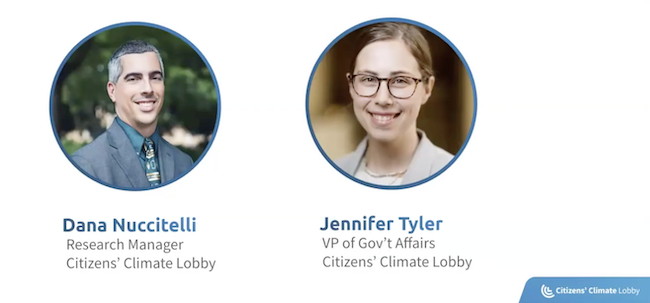
In order to prepare CCL volunteers for productive meetings on permitting reform, CCL Vice President of Government Affairs Jennifer Tyler and I recently completed an advanced training series on the subject.
We started with two trainings about the basics of permitting reform and the political landscape. I followed these up with a training about the related topic of the challenge of energy affordability and security, which is one of the big motivating factors behind permitting reform.
These first introductory trainings set the stage for four detailed, advanced trainings about the specific permitting reform areas where CCL is engaging, and a final key messaging overview.
Transmission Reform and Key Messages
Insufficient electrical transmission line capacity has been a key bottleneck slowing down the deployment of clean power sources. That’s why an analysis of the 2024 Energy Permitting Reform Act estimated that its transmission reform provisions could have resulted in more total climate pollution reductions than the Inflation Reduction Act. Building more electrical transmission lines faster is a critical climate solution in allowing more clean electricity onto the grid.
In recent years, Republican members of Congress have tended to oppose transmission reforms primarily due to concerns about transferring state permitting authorities to the federal government. But there’s a growing understanding that expanding transmission is critical to addressing energy affordability and security, especially with the rapid power demand growth of artificial intelligence data centers.
Build Faster and Key Messages
Clean energy projects often encounter long, complex permitting steps that slow construction and raise costs. Streamlining these processes is another critical step to help ensure that good projects move forward faster while upholding environmental and community protections. This will require modernization of some longstanding environmental laws like the National Environmental Policy Act and judicial processes. But these are sensitive topics for many environmental groups and Democratic offices that will require careful navigation and messaging.
Fair Permitting Certainty and Key Messages
Presidents from both political parties have taken steps to interfere with the permitting of certain types of energy infrastructure that they oppose. These executive actions create uncertainty that inhibits the development of new energy sources in the United States. For this reason, ensuring fair permitting certainty is a key aspect of permitting reform that enjoys bipartisan support. In this training, Jenn and I discussed how Congress can ensure certainty in a permitting reform package, and the associated key messages for congressional offices.
Community Engagement and Key Messages
It’s important for energy project developers to engage local communities in order to address any local concerns and adverse impacts that may arise from new infrastructure projects. Without the early, ongoing communication between project developers, governments, and local communities, people can feel blindsided, creating distrust and negative sentiments that can lead to lawsuits and even local technology bans.
But Republican lawmakers are concerned that too much community engagement can slow permitting processes even further. That’s why it’s also important to establish firm endpoints in the engagement process to avoid excessively slowing new clean energy project timelines in the process of ensuring robust community engagement in the permitting process.
Messaging for Impact: Permitting Reform Wrap-Up
That was a lot of complex and detailed information! In order to make it easier for volunteers to understand all of these nuances, we summarized the key permitting reform messages for different congressional offices – from progressive Democrats to moderates from both parties to conservative Republicans. As we’ve learned in our BRIDGE trainings, effective advocacy starts with understanding what motivates each individual member of Congress and finding the key messages that will resonate with their priorities and concerns.
These trainings and tailored messages will be key in CCL’s permitting reform lobbying efforts this summer and fall.
Want to take action now? Plan to call Congress on July 27 in advance of our Summer Lobby Day to express your support for permitting reform. You can also use our online action tool to email your members of Congress and encourage them to work together on comprehensive permitting reform.